Beer Was Produced at Solnitsata 6,500 Years Ago
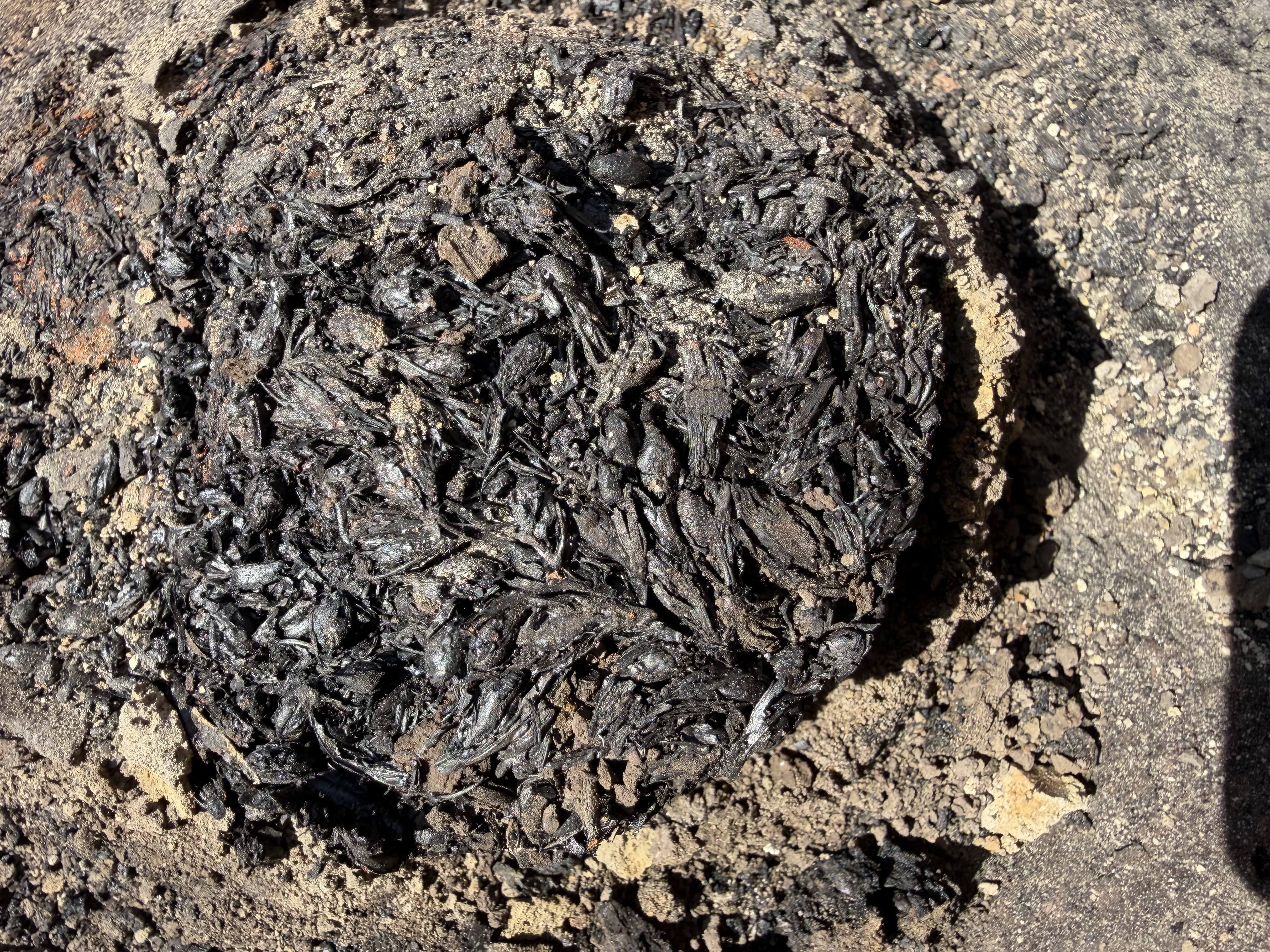
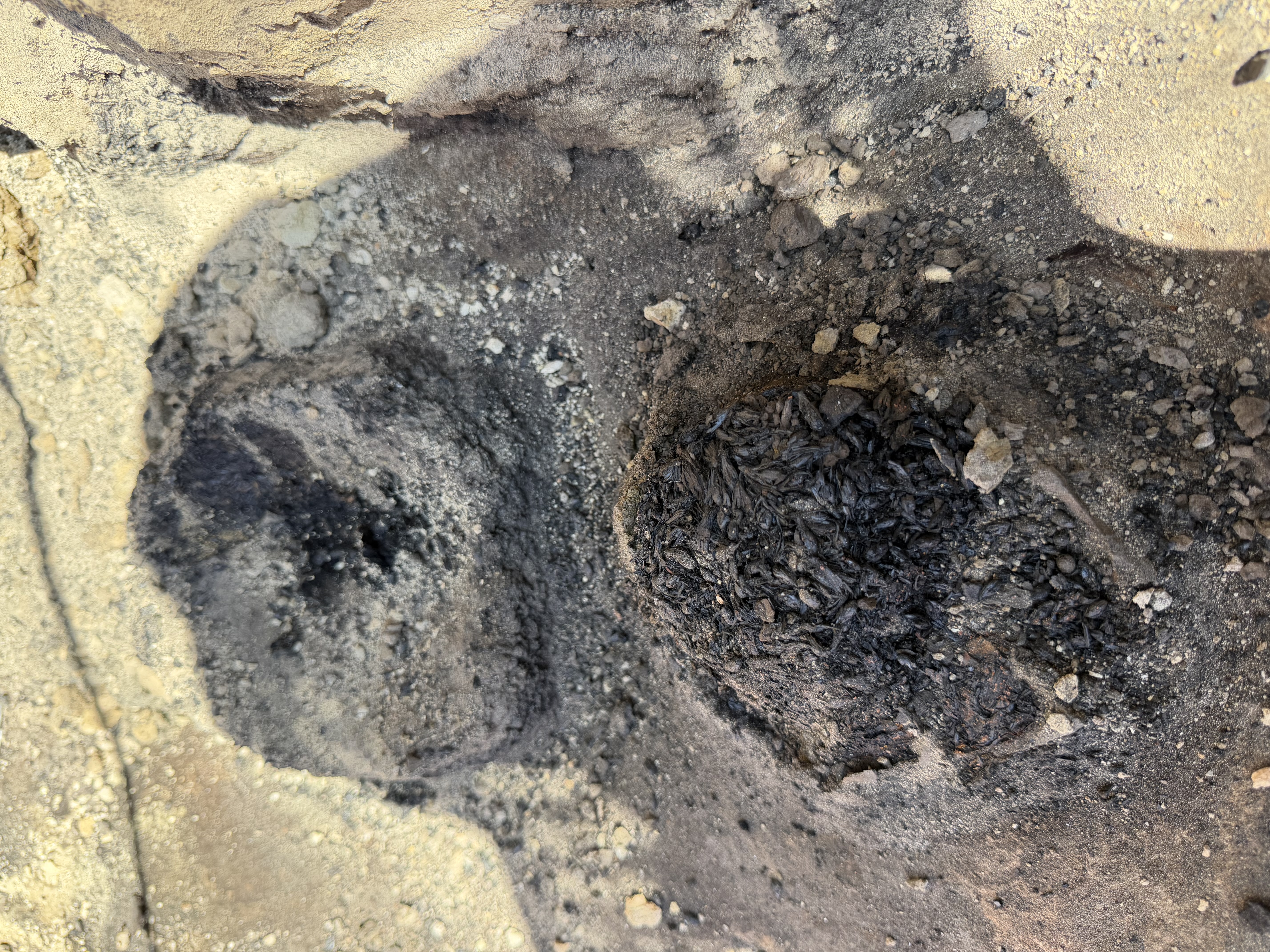
During the excavation of part of a burnt two-storey house from an earlier phase of the Late Chalcolithic, dated to around 4500 BC, a highly significant find was discovered: charred grain. On the floor of the first storey lay two relatively small ceramic bowls, placed upside down with their openings facing downward. After the vessels were carefully lifted, their contents were found to have been preserved in exceptionally good condition: charred grains still in their ears. An urgent consultation with the renowned archaeobotany specialist Dr Elena Marinova-Wolf (Germany) produced a surprising result. According to Dr Marinova, the grain ears were those of emmer wheat (the most commonly cultivated type of wheat at that time), and most importantly, the grains had germinated. This means that they had been soaked in water with the purpose of producing malt for brewing beer. The use of this beverage in Late Prehistory is known from the Near East, but this is the first specific and relatively early evidence of beer production in the lands of present-day Bulgaria. The transformation of emmer wheat into malt (and consequently into alcohol) occurs through a series of complex technological processes. The first stage requires the grain to be soaked in water for at least 4–5 days. This means that the material found in the vessels was the result of deliberate processing. Emmer grain is a living organism, and its normal moisture content of 11–12% allows the embryo to maintain its vital functions in a dormant state. When soaked, its moisture content rises to approximately 42–44%, enabling the embryo to become active. As a result, the enzymes present in the grain begin converting its starch into simple sugars necessary for germination. It was precisely this transformation of the grain’s reserve substances that humans skilfully exploited in the production of malt. Through soaking and the release of sugars necessary for alcoholic fermentation, the process of producing the beverage could begin. The beer was probably used for its psychoactive effects as part of ritual practices.